




At the heart of the fashion and luxury industry lies a profession whose very essence is to capture the brilliance and beauty of life: the jeweler's craft. It is a world where creativity meets precision, where the finest materials come to life under the expert hands of artisans.
In this article, we will delve into the behind-the-scenes world of this dazzling universe to discover what makes this profession so unique and captivating.
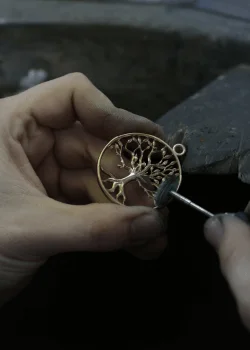
At the heart of the jeweler's craft lies the art of creation. Jewelers are artists, visionaries who transform abstract ideas into tangible pieces of beauty. They design, sculpt, and shape precious materials such as gold, platinum, and gemstones to create timeless works of art. Each piece of jewelry tells a story, capturing the very essence of its creator's inspiration.
But jewelry making isn't just about imagination. It's also a craft that demands exceptional technical skill. Jewelers must possess in-depth knowledge of the materials they work with, as well as traditional and modern manufacturing techniques. From diamond cutting to gemstone setting, every step of the process requires a high level of expertise and attention to detail.
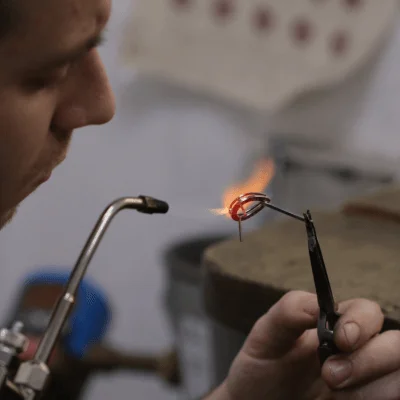
In the world of jewelry, precision is paramount. Every cut, every solder joint, every adjustment must be executed with absolute accuracy to guarantee the quality and durability of the pieces. It is this meticulous attention to detail that distinguishes the great jewelers and makes their creations coveted pieces worldwide.
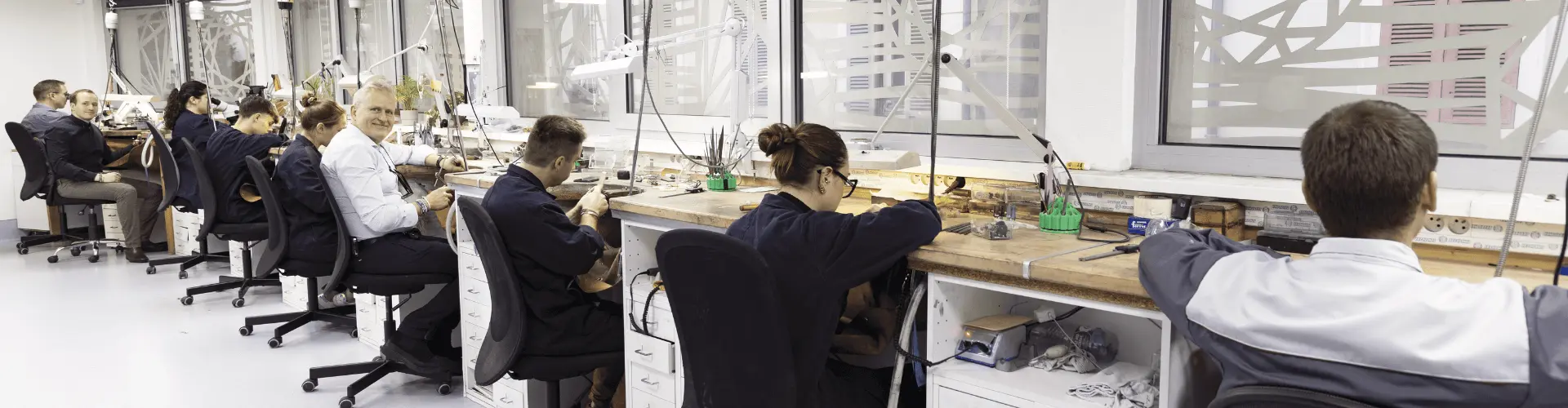
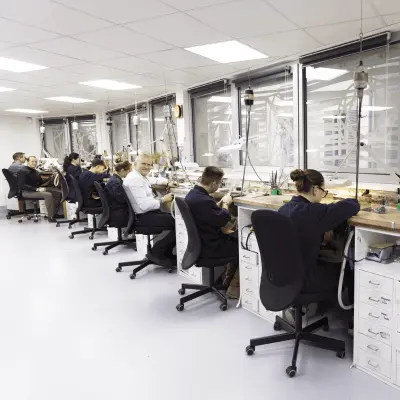
Beyond technical skills, what truly distinguishes an exceptional jeweler is their passion for their craft. It is this passion that drives them to push the boundaries of creativity, to strive for excellence in every piece they create. For a jeweler, each piece of jewelry is much more than a simple accessory; it is a work of art, a testament to their dedication and love for their craft. This is, in fact, a common thread shared by all members of our team.
Becoming a jeweler often requires specialized training in applied arts or crafts. Many artisans begin their careers by taking jewelry-making courses at specialized schools or through apprenticeships with master jewelers. This training provides a solid foundation in drawing, modeling, as well as manufacturing and stone-setting techniques.
In the jewelry industry, there are different specialties, each requiring specific skills.
Jewelers, for example, are responsible for the design and manufacture of jewelry. They work closely with clients to create unique and personalized pieces, ranging from engagement rings to necklaces and earrings.
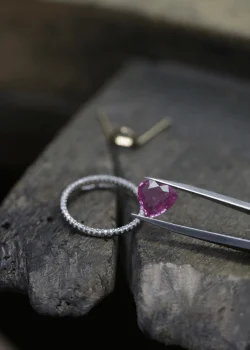
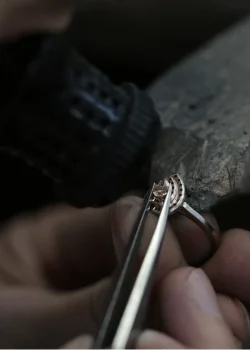
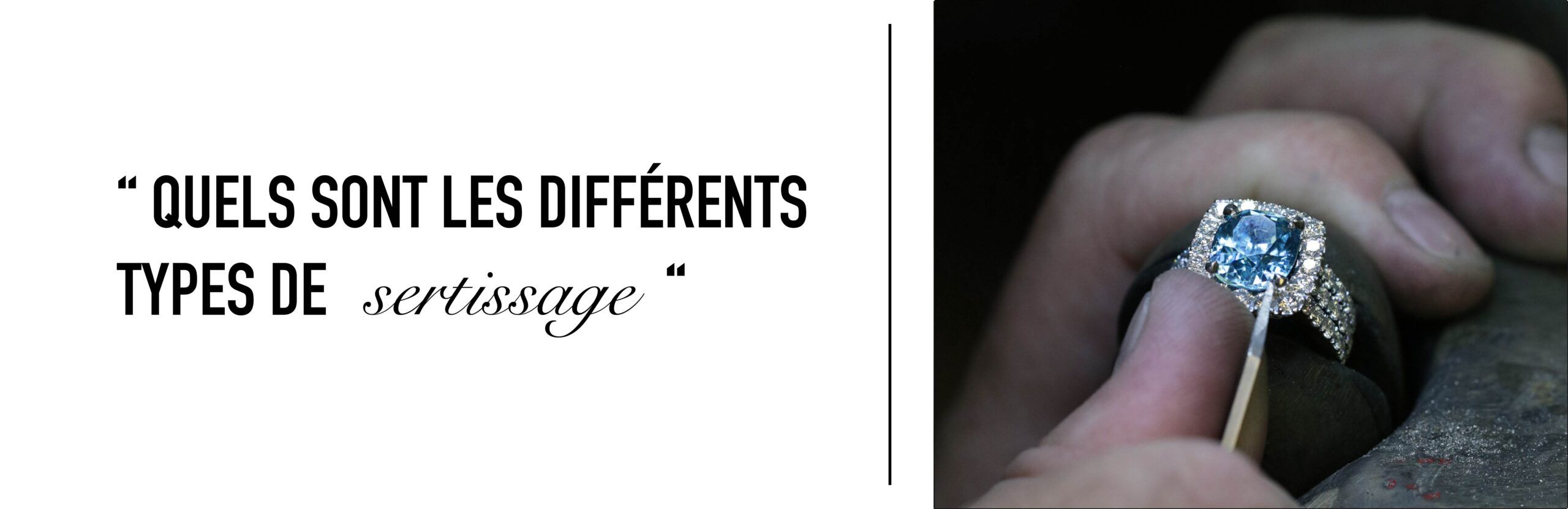
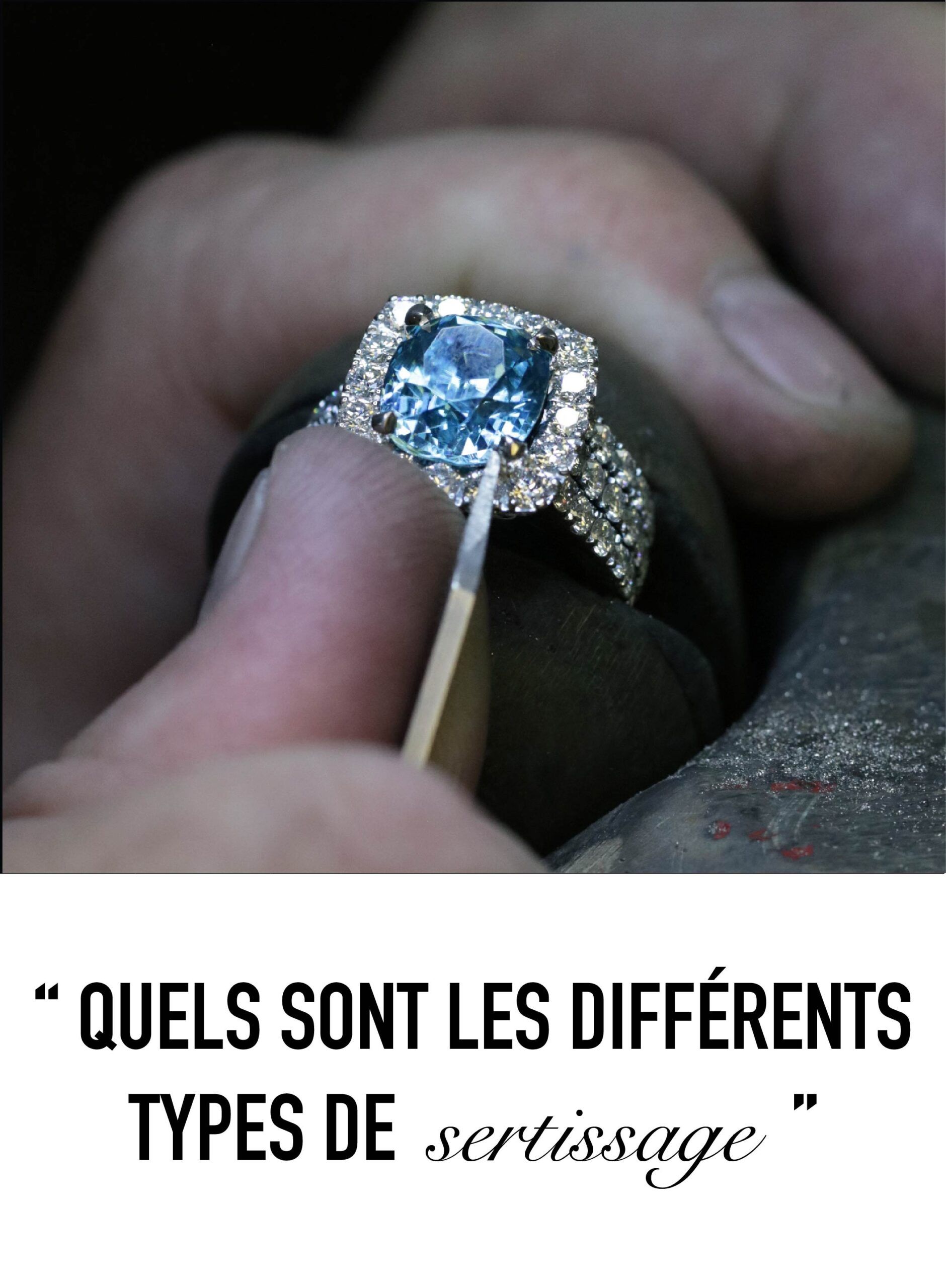
Stone setters, on the other hand, are expert craftsmen in the art of fixing precious stones in metal settings. Their job is to ensure that each stone is securely fixed while being showcased to its fullest potential.
Polishers also play a crucial role in the jewelry manufacturing process. Their job is to give the finished pieces an irresistible shine and brilliance using various polishing and finishing techniques.
The distinction between a jeweler and a goldsmith lies primarily in the level of sophistication and expertise required for each craft. While jewelers generally create simpler, more commercially viable pieces, goldsmiths specialize in crafting high-end, often custom-made jewelry. Goldsmiths are often considered artists, whereas goldsmiths are more often artisans specializing in mass production.
The art of jewelry making is more than just a profession; it's a calling. It's a world where creativity, technique, and passion converge to create exceptionally beautiful pieces. Whether crafting unique, bespoke creations or enhancing classic designs, jewelers continue to push the boundaries of art and aesthetics, making their craft one of the most fascinating and admired in the world.