



Understanding watch movements: mechanical watches.
Over the years, the watch has become an accessory in the lives of many people, to the point of transforming into a true piece of jewelry, or even a work of art.
Since their invention, watches have never ceased to fascinate watch enthusiasts, not only for their beauty, but also for the complexity and technical sophistication of their movements. But what exactly is a watch movement, and how does it work?
Dive into the world of mechanical watches and discover, through this article, the inner workings that power these timepieces.
What is a watch movement?
The watch movement is the internal mechanism of a watch that measures and displays time, or more simply, the set of parts that make a watch function. It consists of a series of components , each playing a crucial role in the proper functioning of the whole. The movement is what drives the hands , whether they are thehour, minute , or second.
Watch movements are primarily divided into two categories: mechanical movements and quartz movements . This article will focus on mechanical movements , which are the most complex and highly prized by watchmakers and collectors .
What is a mechanical watch?

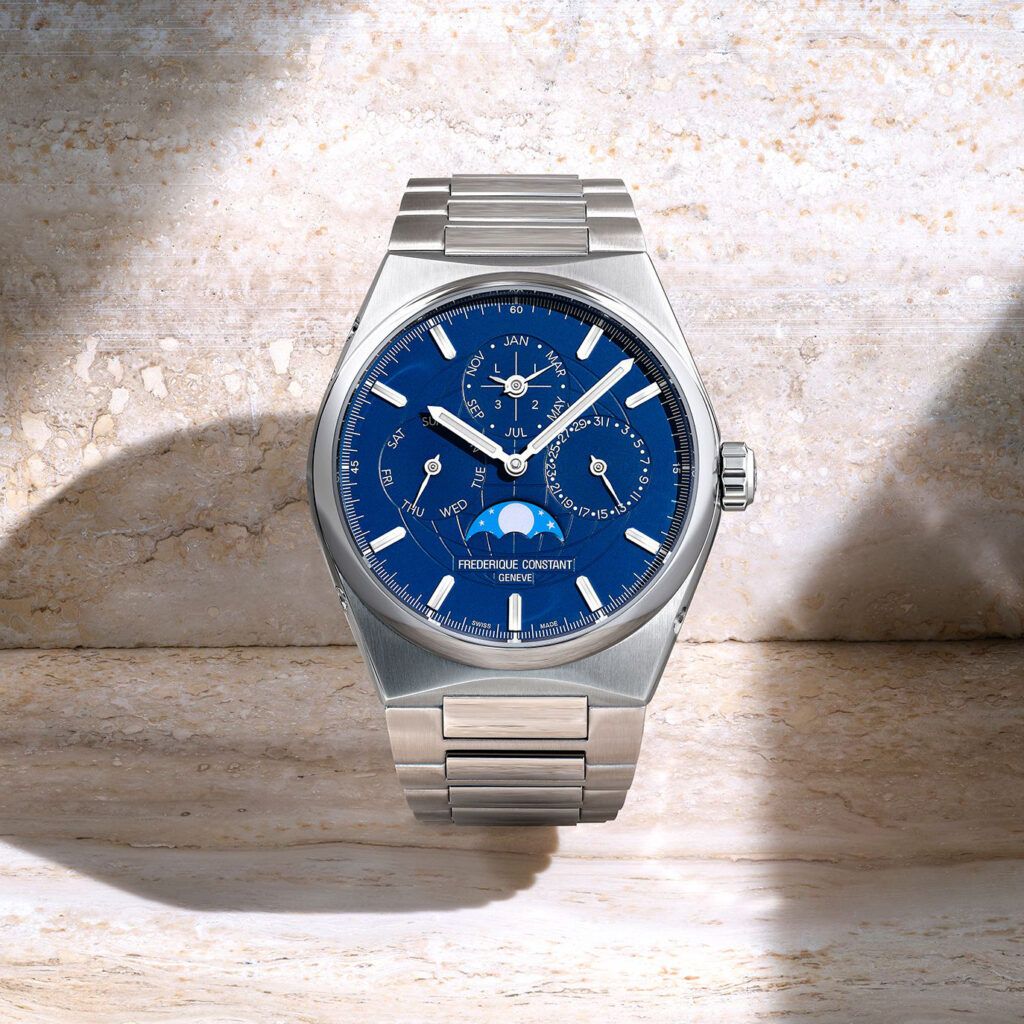
A mechanical watch is a watch that doesn't run on a battery, but on a spring . This spring stores energy and then releases it gradually to power the mechanism inside the watch. This mechanism rotates the hands to tell the time.
There are two types of mechanical watches: manual watches, which need to be wound daily or every other day, and automatic, which wind themselves using the movements of the wrist when worn. Here are the main components that make up a mechanical movement:
- The mainspring (or barrel spring): This is the central element of the movement. It stores energy when wound (manually or automatically), then gradually releases to power the entire watch mechanism.
- The balance wheel : This small oscillating pendulum beats at a regular frequency. It divides the energy into constant intervals and plays a fundamental role in the regularity and precision of the watch, much like a metronome.
- The gear train : A series of toothed wheels that transmit the energy from the mainspring to the escapement, and then to the hands. This system allowsthe movement to be amplified, slowed down, or adjusted to rotate the hands at the correct speed.
- The escapement : This mechanism releases the spring's energy in a controlled manner. It works with the balance wheel to produce a smooth and precise movement. It is essential to prevent all the energy from being released at once.
- The crown and winding : The crown is used to wind the mainspring in manual watches, or to set the time. In automatic watches, winding can also be done through wrist movements, thanks to an internal rotor.
Types of mechanical movements
There are two main types of mechanical movements: manual movement and automatic movement.
The mechanical movement with manual winding
A manual movement requires the wearer to wind the watch regularly, usually by turning the crown. This winds the mainspring, which then releases its energy gradually. This type of movement represents a return to the roots of watchmaking, appreciated by purists for its simplicity and handcrafted nature.
The self-winding mechanical movement
Automatic or self- winding watches operate thanks to the movements of the wearer's wrist. An internal rotor spins when subjected to movement, which winds the mainspring without the need for manual winding. This innovation allows for everyday use without having to worry about the mechanism stopping.
What are the main components of a mechanical movement?


Here is an overview of the other important elements that allow the watch movement to function smoothly and precisely:
- The balance spring : It allows for high precision by regulating time. It is often made from materials such as steel or silicon, and it is essential for maintaining a stable frequency.
- Screws and springs : These are tiny but crucial components for maintaining the balance of the mechanism. Screws are often used to adjust the tension of the balance wheel or mainspring.
- Bridges and plates : These parts serve to hold and support the various components of the movement, such as the gears and the escapement. They are often decorated, which adds an aesthetic element to complex movements.
What makes mechanical movements so fascinating is the marriage of cutting-edge technology and traditional craftsmanship. Watchmakers spend years perfecting their skills, working on minuscule parts with micron-level precision. The quality of a watch movement depends on the accuracy of its components, the choice of materials, and the consistency of its assembly.
The challenges of mechanical movements
Watchmakers must overcome several challenges to create high-quality mechanical movements. These include:
- Regulating precision : Every mechanical watch must be regulated to maintain maximum accuracy, sometimes down to the second. Adjusting the balance wheel and escapement is a meticulous task.
- Wear resistance : The moving parts of a watch movement are subject to constant friction. The materials used must be carefully chosen to prevent rapid wear while maintaining high performance.
- Design and aesthetics : Watchmakers also work on the visual aspect of the movement, decorating visible components such as the mainplates and bridges. These elements are sometimes engraved or decorated with special finishes such as Côtes de Genève or perlage.

Mechanical movements are at the heart of watchmaking, combining art and engineering. Understanding how they work allows us to appreciate even more the beauty and complexity of the watches we wear every day. Whether you're a watch enthusiast or simply curious, it's fascinating to discover how these small machines, powered by springs and gears, continue to amaze us.
Feel free to visit us in one of our stores in Mulhouse, Belfort or Basel to discover the watches and have us explain the specific features of each one!
FAQ - Understanding watch movements.
- What is a watch movement?
A watch movement is the internal mechanism of a watch that allows it to measure and display time. It powers the needles of the watch, such as those for the hour, minutes and seconds, using very precise and complex components. - What are the main categories of watch movements?
Watch movements are divided into two main categories:
- Mechanical movements, which are powered by a main spring and a set of gears.
- Quartz movements, which are battery-powered and use vibrations from a quartz crystal to measure time.
- Why are mechanical movements considered more complex?
THE mechanical movements They are composed of numerous moving parts, making them complex to manufacture and maintain. Their operation requires advanced watchmaking expertise. Furthermore, these movements are often prized by watchmakers and the collectors because of their craftsmanship and their precision. - What differentiates a mechanical movement from a quartz movement?
A quartz movement is simpler and uses a battery to power a small electric motor that moves the hands. On the other hand, a mechanical movement requires no battery and relies on a system of springs and gears, requiring more maintenance and watchmaking skills. - Why choose a mechanical watch rather than a quartz watch?
Watches mechanics are often chosen for their craftsmanship, their complexityand their timeless charm mechanical movements are often considered a true symbol ofwatchmaking expertise and traditionOn the other hand, watches with quartz are more precise and require less maintenance. - What makes a watch movement so special?
A watch movement is a perfect combination of precision, ingenuity And artEach piece is meticulously crafted and assembled to ensure the most accurate timekeeping possible. Furthermore, the durability and beauty of mechanical movements make them sought-after collector's items. - What are the most popular types of mechanical movements?
mechanical movements are manual winding and automatic winding movements .
- Manual winding requires the user to wind the watch regularly.
- Automatic winding uses the movement of the wrist to recharge the mainspring, making the watch functional without manual winding.
8. Where can I buy a watch with a horological movement?
Watches with horological movements can be purchased from luxury watch boutiques, watchmakers , or reputable online platforms. It is essential to check the brand's reputation and the quality of the movement before buying.
Article suggestion:

