
The pearl: an exceptional natural gem
The pearl, a timeless symbol of grace and elegance, is much more than just a natural gem. For thousands of years, it has captivated us with its beauty, its rarity, and also its fascinating history.
In this article, we will discover the history of the pearl , its unique characteristics , its presence in jewelry, as well as some amazing facts that are sure to surprise you!
The story of the pearl
The pearl is one of the oldest gems ! Indeed, it has been used by humankind for over 5,000 years . The earliest traces of its use date back to Mesopotamian civilization , where it was already prized as a symbol of wealth and power. Ancient Egyptian and Chinese civilizations used it to adorn pharaohs and emperors , believing that the pearl possessed mystical virtues. In ancient Greece, it was associated with Aphrodite , the goddess of love and beauty , symbolizing purity and femininity.
During the Middle Ages and the Renaissance, pearls became a true symbol of social status, particularly among aristocrats and kings. It was only in the 18th century, with the rise of pearl cultivation in Asia, that pearls achieved global popularity.
Today, the pearl is a precious stone at the heart of jewelry, celebrated for its timeless beauty and understated elegance.
The geological origin of the pearl
Unlike other gemstones that form deep within the Earth, pearls are born in shellfish, particularly oysters and mussels. When a foreign body, such as a grain of sand or a parasite, enters the animal, it reacts by secreting a substance called nacre to protect its tissues. This nacre, composed of calcium carbonate, accumulates around the irritant and gradually forms a pearl. This process can take several years, which explains the rarity and value of these natural gems.
Pearls are found primarily in warm and temperate around the world, particularly in Asia, the United States , and Australia, where large pearl farms harvest cultured pearls. The Philippine Sea, Japan , and Australia are regions especially renowned for the quality of their pearls.
The pearl: June birthstone
Birthstones gems associated with each month of the year, symbolizing particular character traits and bringing protection and luck to those born under their influence.
The pearl is therefore the birthstone for June . It symbolizes purity, balance , and harmony. People born in June are known for their gentleness, calmness , and inner wisdom.
Are you interested in birthstones but unsure which stone corresponds to your birth month? Find out in our dedicated article! –> Article on birthstones
The main characteristics of the pearl
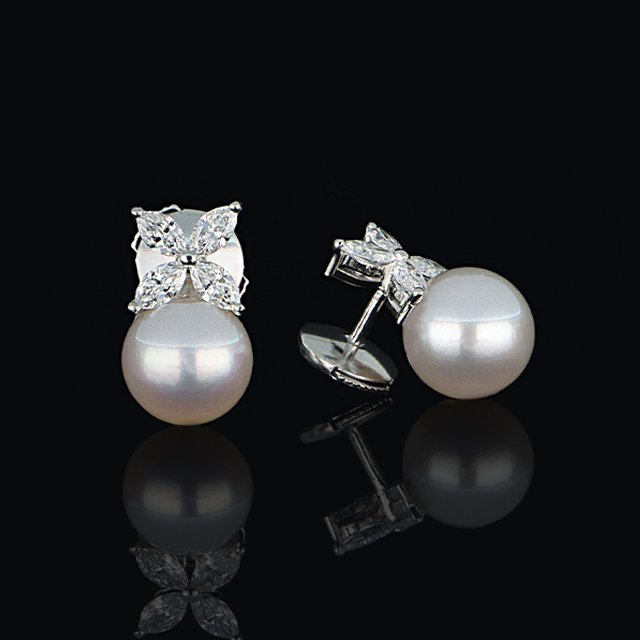
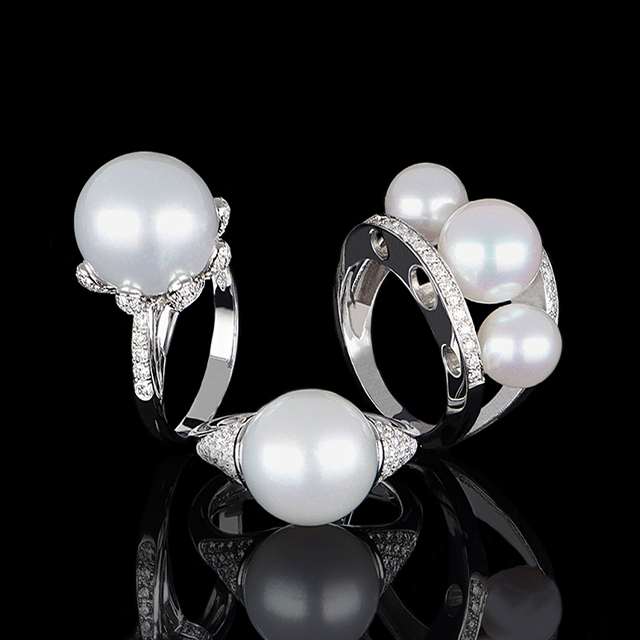
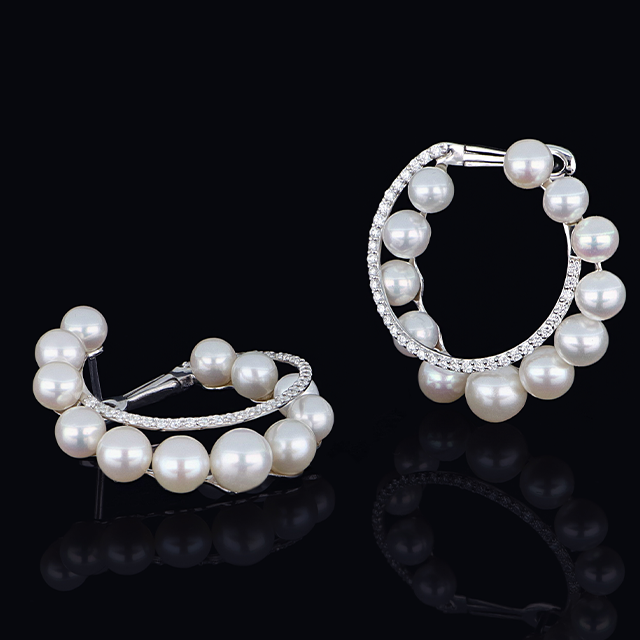
The pearl stands out from other gems due to its natural characteristics , particularly its unique luster and smooth feel. Unlike other precious stones such as rubies or sapphires, a pearl emits a slightly iridescent light , known as " pearl luster ." This luster comes from light reflecting off the surface of the nacre and through its layers.
The color of the pearls can vary, ranging from white to shades of pink, lavender , black , or even green. Each pearl is different and therefore unique in its color and luster.
The shape of the pearl is also a factor in its value. Round , flawless stones are the most sought after , but there are also "baroque" pearls , which have irregular and asymmetrical shapes , adding character to jewelry. Other elements also influence its value, such as the size and surface of the pearl. Indeed, larger and smoother pearls are generally considered more valuable.
Cultured pearls: the jewelry revolution
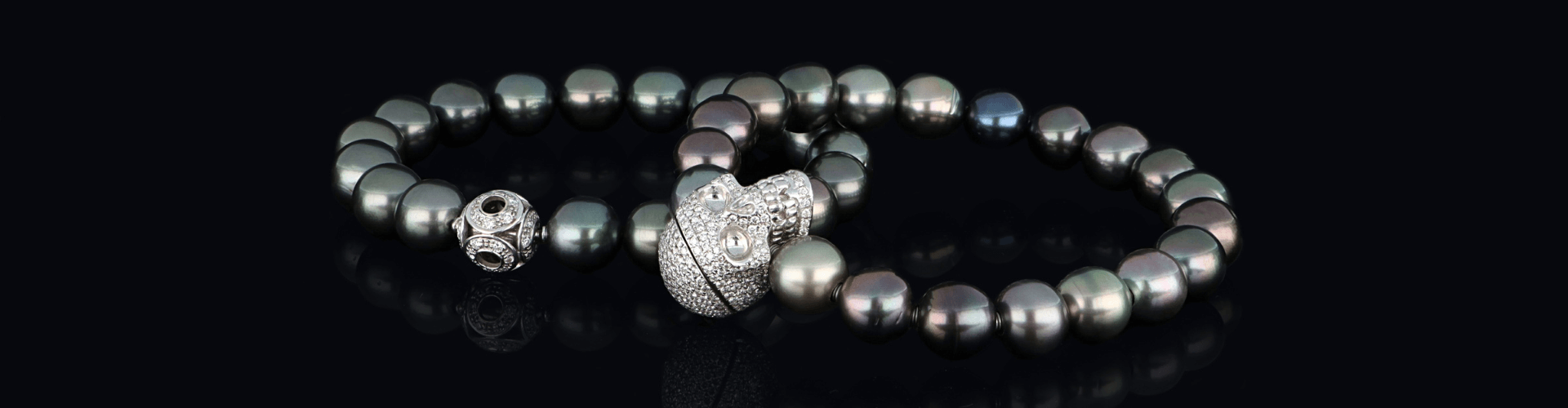

Cultured pearls transformed the pearl industry in the 20th century . Before this time, pearls were rare and difficult to obtain. But the invention of pearl cultivation by the Japanese Kokichi Mikimoto at the end of the 19th century solved this problem by increasing pearl production.
This method has enabled an increase in the production of quality pearls, making pearls accessible to a wider public while preserving their beauty and luster.
The pearl in jewelry: how to showcase it?
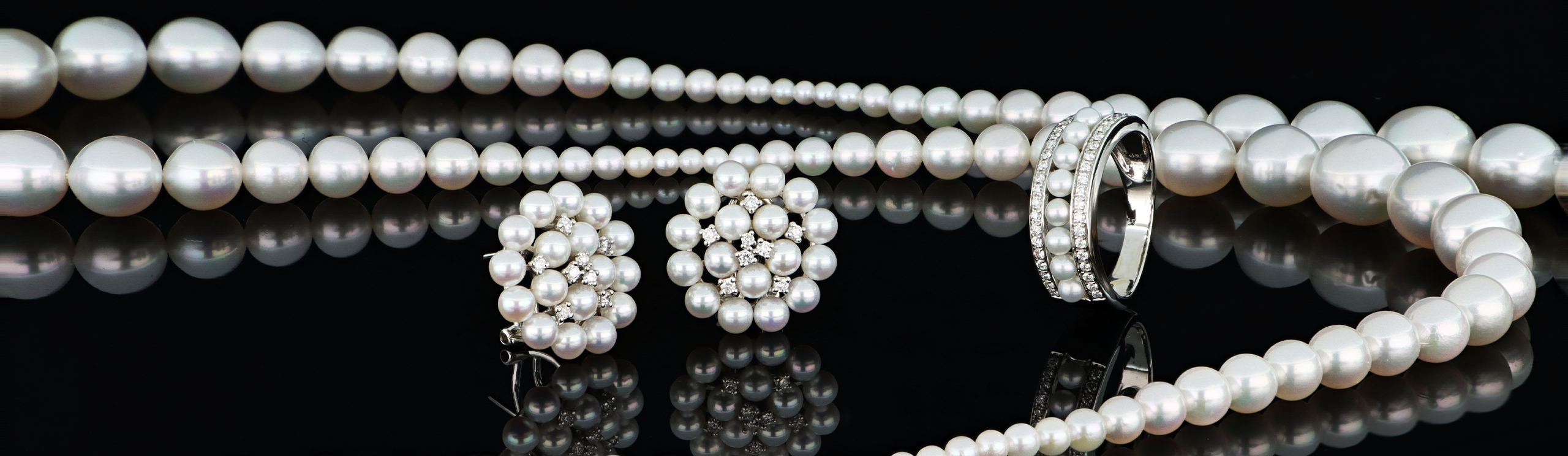
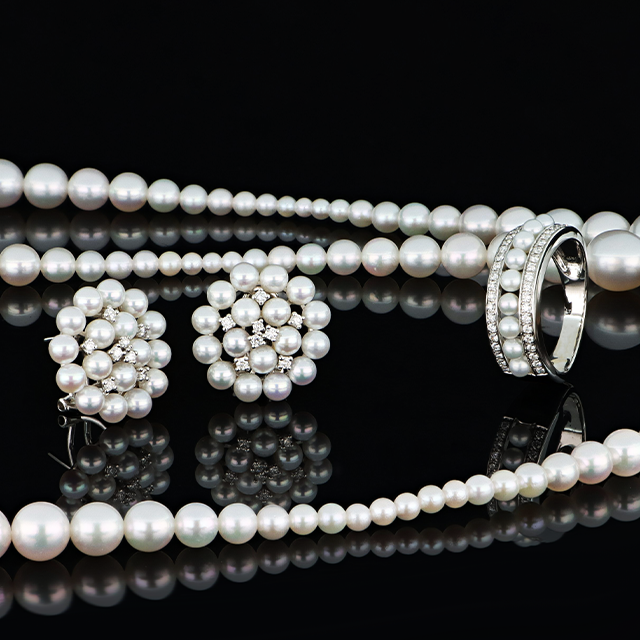
The pearl is a multifaceted gemstone in jewelry. It is showcased in a variety of creations, such as necklaces , earrings , bracelets , and rings . Thanks to its soft and subtle luster, it blends harmoniously with other precious stones like diamonds or sapphires, adding a touch of understated sophistication.
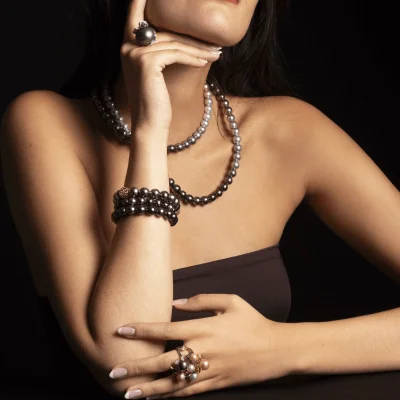
Pearl necklaces , for example, are a timeless jewelry classic. They can be worn alone for an elegant , minimalist effect, or paired with a pendant for a bolder look. Earrings , whether simple or dangly, add a touch of sophistication to any outfit, be it for everyday wear or a special occasion.
Did you know that?
- Black pearls : The black pearl is one of the rarest. It is mainly cultivated in French Polynesia. It owes its dark color to the Tahitian black oyster.
- The "ghost" pearl : certain types of pearls, particularly South Sea cultured pearls , possess such intense luster that they appear slightly translucent, creating a unique "ghostly" effect.
- Freshwater pearls : unlike saltwater pearls, freshwater pearls are grown in freshwater shells and are often less expensive, while offering a wide variety of shapes and colors.
- The ancient belief : in ancient times, pearls were believed to be tears of the gods or raindrops captured by oysters, which reinforced their mystical value.
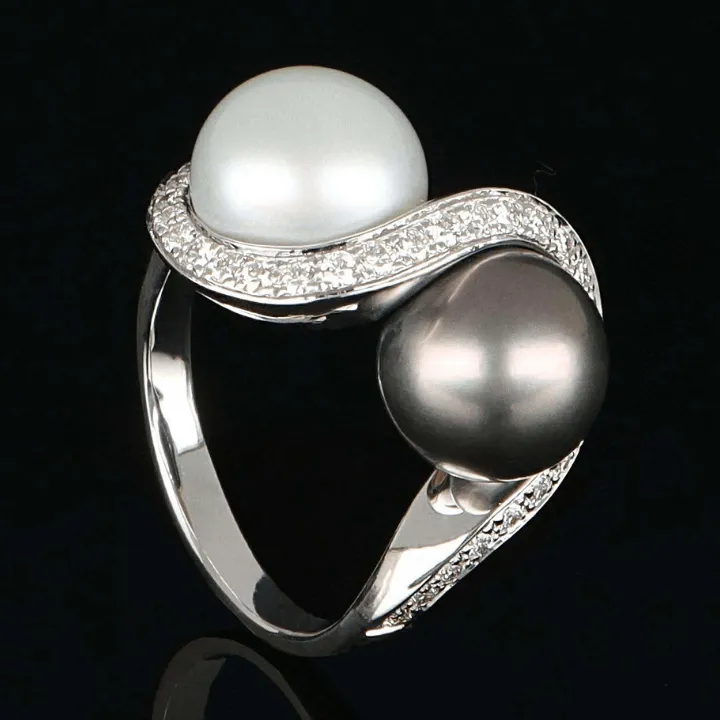
The pearl: a symbol of elegance and refinement.
Beyond its natural beauty, the pearl embodies elegance , purity , and timelessness . Its rich history and numerous qualities make it a prized gem in the world of jewelry. Whether round, baroque, white, pink, or black, the pearl continues to enchant and enhance the most refined creations.
If you wish to purchase a piece of jewelry set with pearls, our in-store advisors will be able to guide you in finding the ideal piece, whether for a special occasion or simply for everyday wear.
We invite you to visit one of our stores in Mulhouse, Belfort or Basel to see our pearl-encrusted creations, and if you don't find what you're looking for, to create a unique piece of jewelry especially for you!
FAQ - The Pearls
- What is a pearl?
A pearl is an organic gem that forms naturally inside shellfish, particularly oysters and mussels. When a foreign object enters the animal, it reacts by secreting a substance called nacre, which is deposited around the irritant, thus creating a pearl. - What is the difference between a natural pearl and a cultured pearl?
Natural pearls form without human intervention, following spontaneous irritation within a shell. Cultured pearls, on the other hand, are produced by humans: a nucleus is introduced into the oyster to stimulate pearl formation. - Where are pearls found?
Pearls are primarily cultivated in warm and temperate seas, such as the South China Sea, the Philippine Sea, Australia, and Japan. Freshwater pearls are also cultivated in lakes and rivers, particularly in China. - Why are pearls so precious?
Pearls are precious because of their rarity, their complex formation process, and the quality of their luster. Natural pearls, in particular, are extremely rare and therefore highly sought after. Their delicate and timeless beauty also gives them great value in the world of jewelry. - How to choose a quality pearl?
The main criteria for evaluating a pearl are luster (the pearl's brilliant shine), surface (the fewer imperfections a pearl has, the more valuable it is), shape (round pearls are the most sought after), size (larger pearls are generally more expensive) and color (it varies depending on the origin of the pearl, from classic white to shades of pink, black, lavender or even gold). - How do I care for my pearls?
Pearls are delicate gems that must be treated with care. Avoid contact with chemicals (perfumes, lotions, cleaning products), store your pearls in a soft place separate from other jewelry to prevent scratches, clean them gently with a soft, dry cloth after each use, and avoid prolonged exposure to heat.