

Buying and choosing a diamond ring is a significant moment in life. One doesn't embark on such a purchase without knowing everything there is to know. Buying a diamond is, first and foremost, about making the recipient dream. But it's also a sound investment for the future if the stone is chosen carefully. The cut is a crucial factor in jewelry. Of course, there's the diamond's clarity, origin, and carat weight, but also its cut and shape, which must be taken into consideration. Indeed, the brilliance of the ring depends on the cut you choose.
1. The shape of the diamonds is up to you
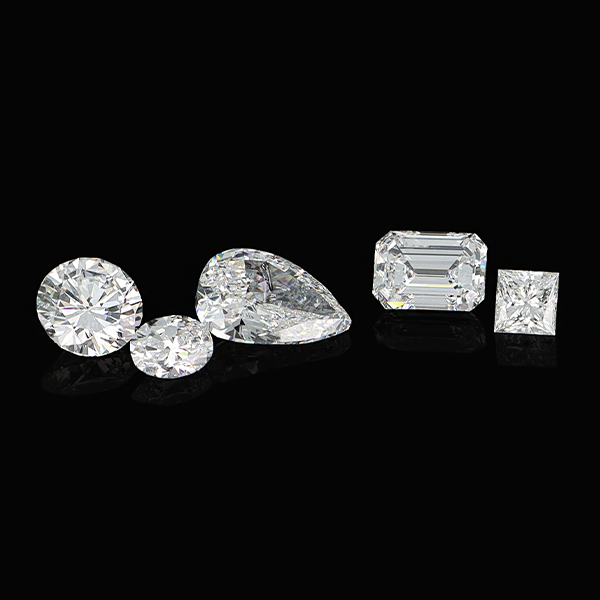
The proportions and finish of the stone are paramount at this stage. This refers to the diamond's cut, which will enhance its purity and color. Technically, you'll encounter terms like table, crown, girdle, and pavilion. When cutting a diamond into modern shapes, all these parameters are taken into account so that the stone reveals its full brilliance and sparkle. A poorly executed cut can make a diamond appear duller and fail to perfectly reflect its beauty. This is why it's crucial to carefully consider the cut and shape of the diamond. There are various diamond cuts: round, marquise, pear, oval, cushion, emerald, and princess. However, a beautiful, classic diamond is most often cut in a round shape to showcase its most brilliant sparkle with 57 facets. The best brilliance is achieved with a round cut.
2. Round diamonds, the most classic cut
The shape and size of a diamond will reveal its beauty and purity in a round cut. This remains a classic and timeless cut to enhance the brilliance of your diamond. But other similar cuts, such as a heart shape, will reveal just as much of your diamond's sparkle and light.
3. The different types of diamonds
Choosing a diamond therefore depends on a number of criteria. A diamond's value is not solely determined by its weight. Indeed, a large diamond may reveal inclusions and flaws, visible or not, as well as color defects. A diamond should ideally be as white as possible, although some may have a pale yellow tint.
The cut can also diminish a diamond's value if the cutting and proportion criteria haven't been met. A poorly executed cut can damage the diamond's brilliance and cause it to lose all its beauty. It's essential to purchase your future diamond from a professional who respects and explains these criteria. This will allow you to make a long-term investment without any unpleasant surprises. Buying a diamond is a significant purchase that requires expert guidance and must meet all the diamond's quality and certification criteria. Our jewelry store in Mulhouse has been at your side since 1962 to help you. Visit us to choose the diamond of your dreams. We will then explain the criteria for selecting a quality stone. The Bollwerk company has surrounded itself with teams of jewelry experts to create unique pieces of impeccable quality.
4. Types of diamonds
Diamonds are examined under a loupe before being sold. They are appraised according to four distinct categories that determine their rarity, price, and value. These are known as the 4Cs: carat (or weight in grams, 1 carat equals 0.2 grams), cut, clarity (or purity), and color.
5. Diamond cutting, a goldsmith's work
The weight of a diamond is directly related to its cut. Harmony must reign in this object of beauty. When purchasing a diamond, you should ensure that the proportions are correct between the cut, the crown, and the facets. If you choose to buy your future diamond from a professional like Bollwerk, you won't have to worry about such details. Our company designs and creates pieces with perfect and meticulous cuts, where all the proportions and criteria for valuing the diamond are respected. For example, take a look at the Messika Joy pavé heart. You'll see the work on the heart-shaped solitaire diamond, which enhances the stone and its brilliance in a magical effect, surrounded by smaller diamonds all around the central diamond. Your investment in such a piece of jewelry will endure for years with timeless elegance.
6. Diamonds: cut type
The most classic cuts are the round, marquise, pearl, heart, oval, emerald, and princess cuts. Of course, it's all a matter of taste, and you'll choose the shape of your diamond according to your preferences. Some shapes remain classic, while others are more trendy or modern, but it's important to know that depending on the cut, the diamond will reflect light more or less. For example, the round cut has a particular brilliance. Light enters through the table, travels down through the crown, and reflects its sparkle through the 57 facets of the cut. The heart shape, which is similar to the round cut, also possesses this incomparable brilliance.
FAQ
What is the shape of a diamond?
This criterion, also called the cut in the diamond-cutting industry, is an important factor in determining a diamond's value. The proportions of a diamond's cut are crucial to the stone's beauty and brilliance. If a stone is poorly proportioned in size, despite adhering to the rules of the art, it will refract light poorly.
Which diamond shines the brightest?
It is recognized that the round shape is the one that gives the diamond its most beautiful luminosity and brilliance, but very similar shapes like the heart shape fulfill the same conditions for perfect brilliance.
Article suggestion: